We’re always happy to help and are creating a new series of guides and briefing notes around key elements of the challenges place leaders and managers are facing.
NEW GUIDE:
‘Pop-up shops: a places’ perspective’ – the latest in our guides and briefing notes series on tackling high street vacancy topics where pop-up shops or a ‘meanwhile… use’ project is a priority for your town or city centre.
Are you planning to:
- Start work on tackling high street vacancy in your town or city centre, and improve the mix of use types you have now?
- Be one of the places that’s really benefited from having health & wellbeing services on the high street?
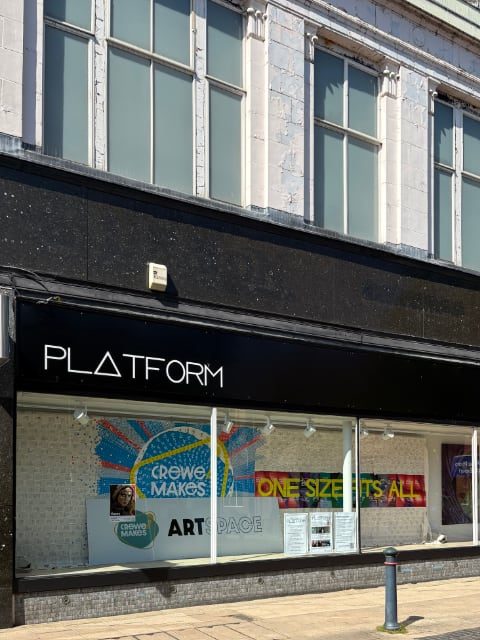
- Make more of the option to encourage arts & crafts, creative, culture, community businesses, groups and organisations to take on vacant units?
- Ensure that empty units look the best they can while work continues to get them let?
- Improve the ‘look’ of your location as a whole because of all that it can do to help attract residents, visitors, new occupiers and investors, and extend dwell time?
- Initiate a town or city centre-wide pop-up shop project?
- Explore ‘alternative’ or additional use types to occupy empty spaces in your shopping centre(s) or indoor arcade(s)?
If so, please ask for a copy of one of our guides or briefings.
Tackling High Street Vacancy – a guide
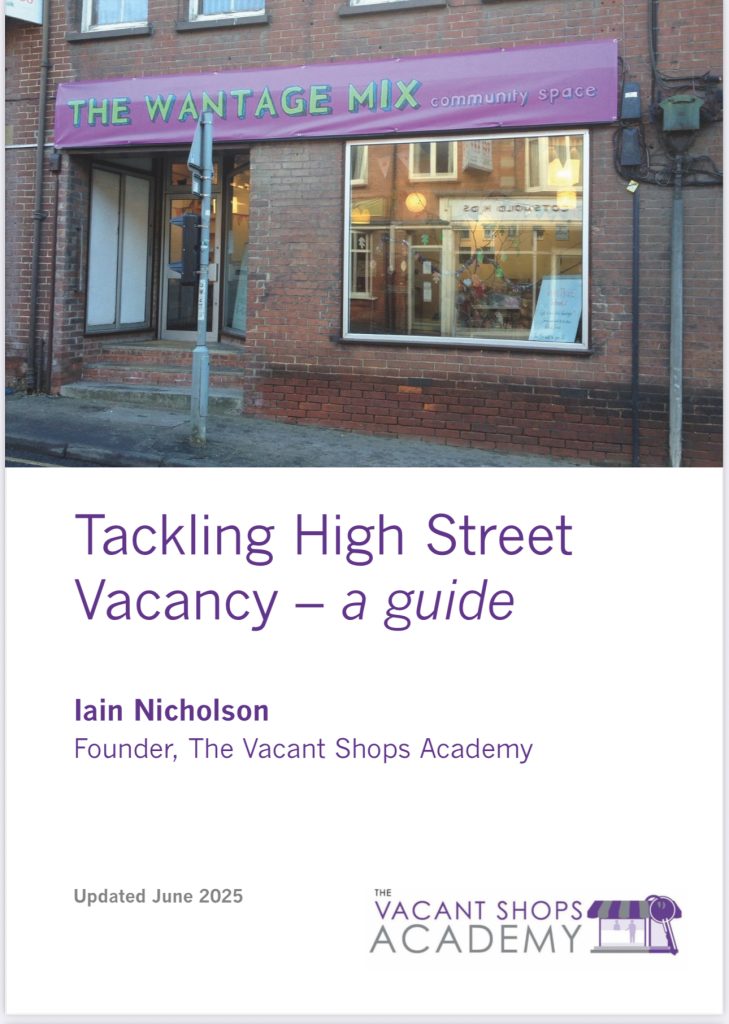
If empty units are an issue in your town or city centre, setting up a proactive tackling vacancy-focused ‘place partnership’ is a first step.
This guide explains the ‘why’ and ‘how’.
Get the Keys – taking a public-private sector team into empty ‘high street’ units
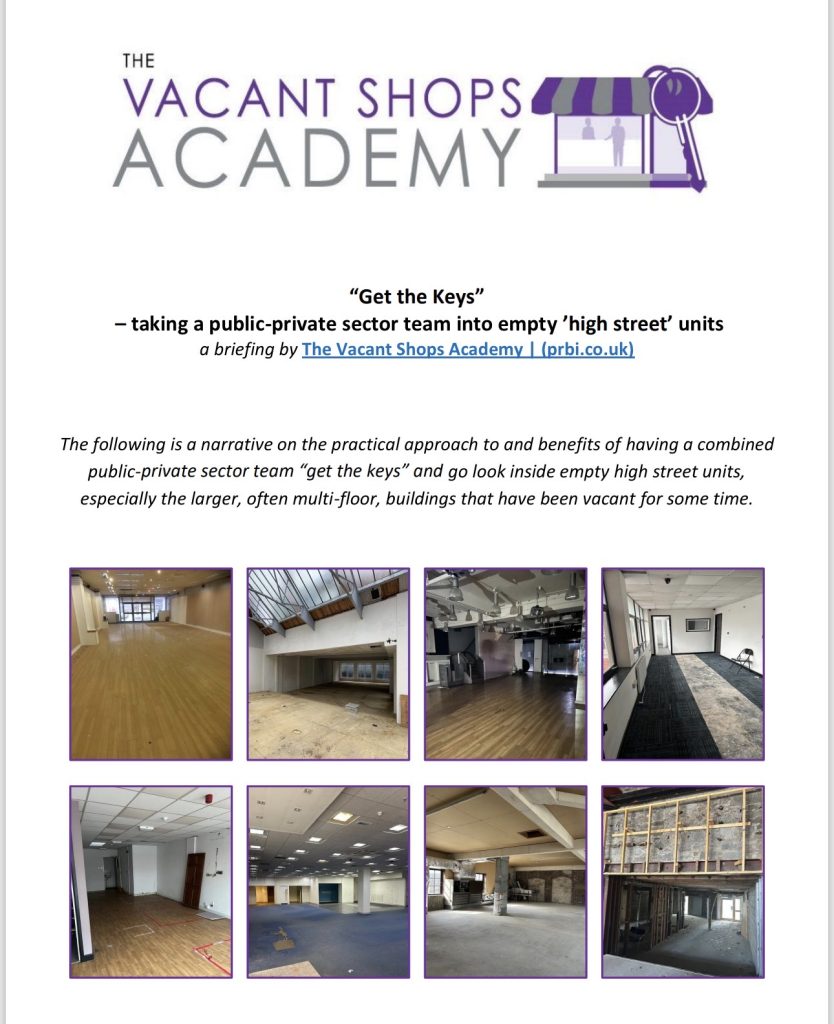
One task it can take on is to bring together a public-private sector team, “get the keys” and go look inside empty units, especially larger, often multi-floor, ones that have been vacant for some time.
This briefing explains how, with special focus on an award-winning case study in Aberdeen.
Health & Wellbeing Services onto the High Street
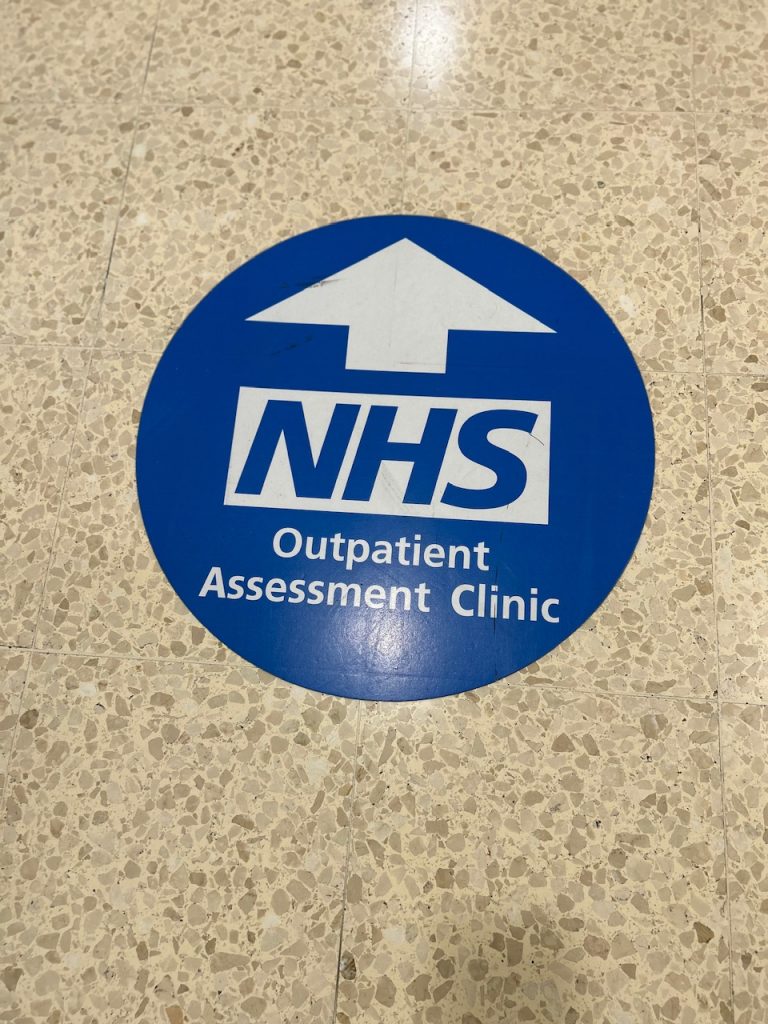
Exploring the potential that bringing health and health & wellbeing services onto the high street can have, with examples, case studies and reporting from around the UK as an illustration of the part this option can play in tackling vacancy.
Tackling High Street Vacancy with Arts & Crafts, Creative, Culture and Community Uses
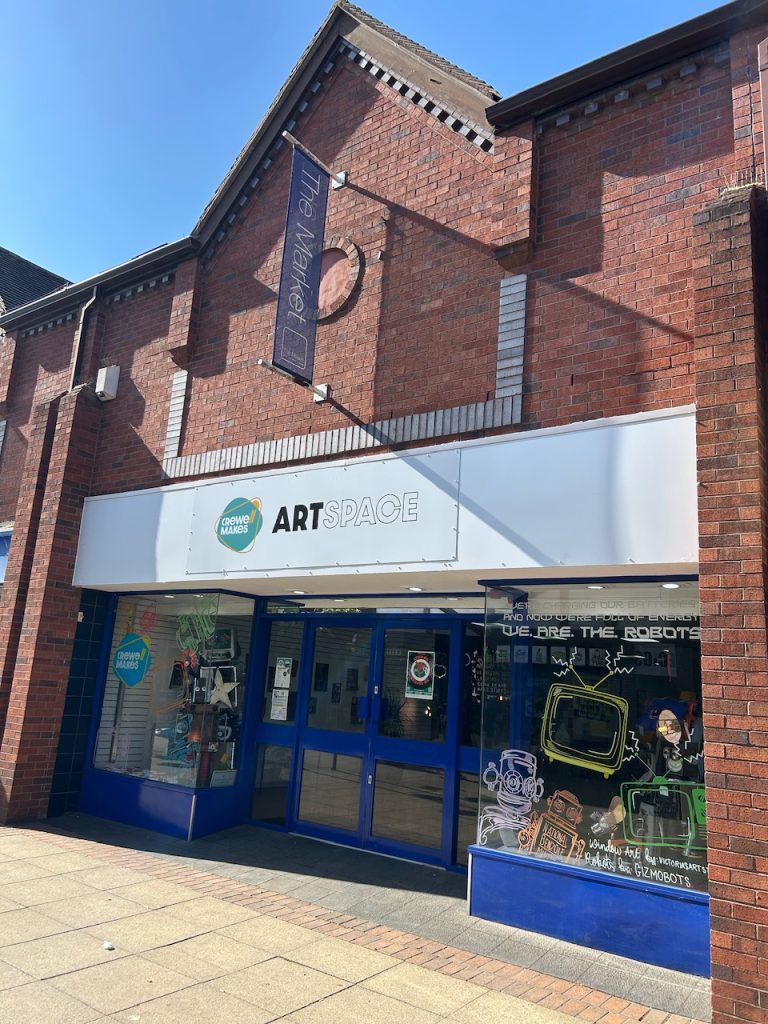
In this briefing, we’ve put together a listing of some of those we’ve worked with or seen.
“Where possible, we’d encourage the place to be looking to support agents and landlords to get a unit let, either long-term or initially on a short-term, pop-up, ‘meanwhile… use’ basis.”
A Guide to Vinyling
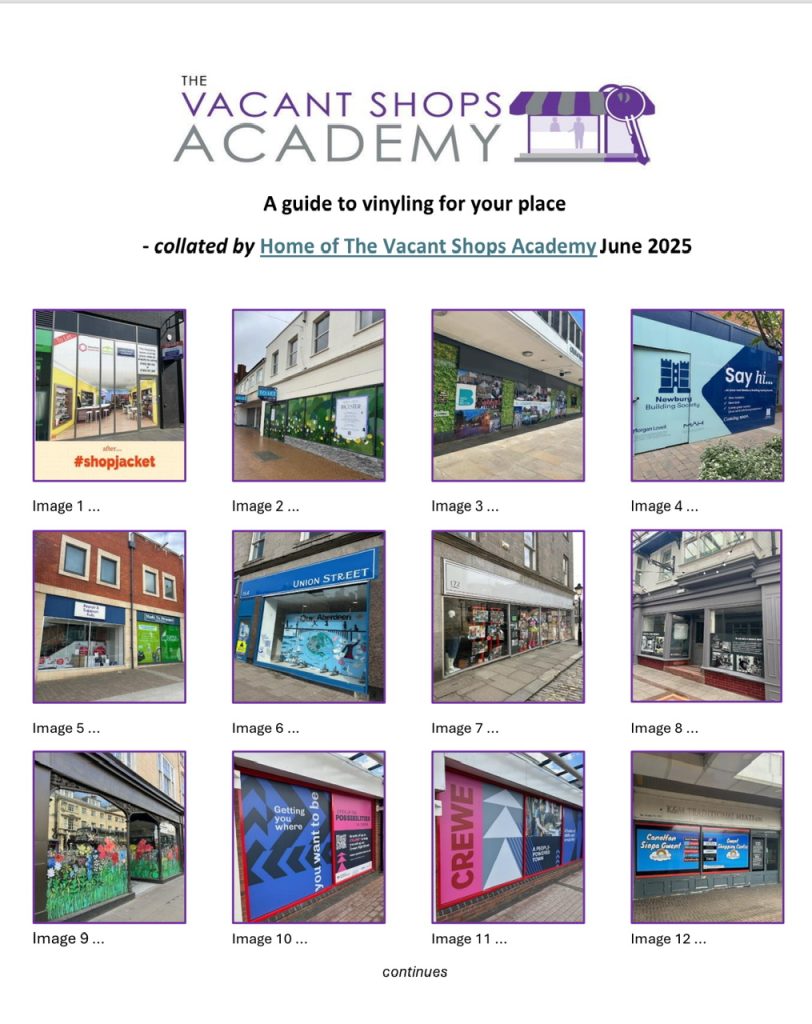
‘Vinyling’ comes next, i.e. where getting the unit back in play isn’t going to be possible for now.
This guide brings together some useful examples.
Community ‘Clean-Ups’ to Support Tackling High Street Vacancy Efforts
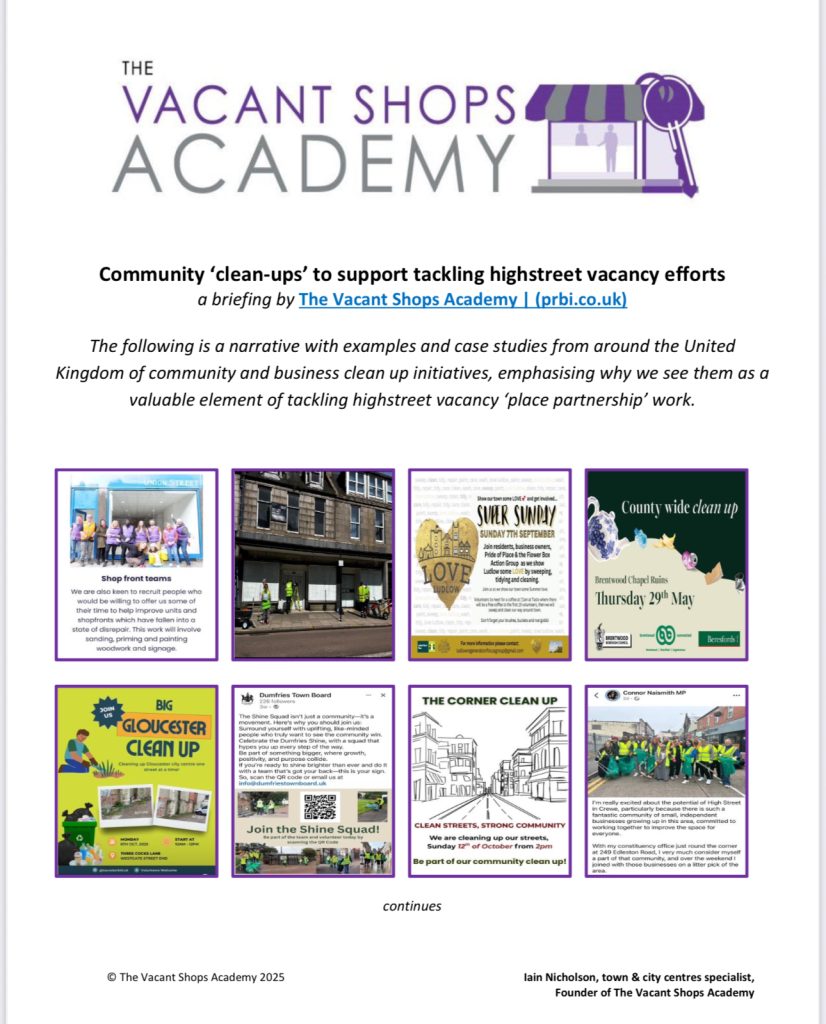
Thir briefing provides a number of community and business ‘clean-up’ initiatives, and emphasising why we see them as a valuable element of tackling high street vacancy ‘place partnership’ work.
Pop-up shop projects from a places’ perspectives
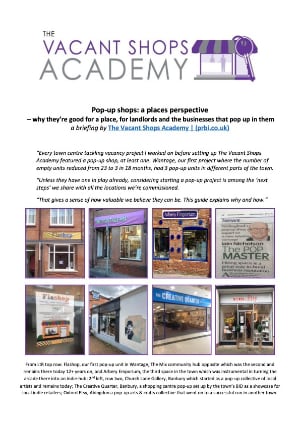
Unless you have one in play already, considering starting a pop-up shop project is among the ‘next steps’ we share with all the locations we’re commissioned – that gives a sense of how valuable we believe they can be. This guide explains why and how, alongside a ‘meanwhile… use’ toolkit, setting out our approach in four stages.
A ‘meanwhile… use’ toolkit

For placemaking colleagues looking to make ‘meanwhile… use’ and/or pop-up shop projects a part of their tackling high street vacancy initiative, we sketch here a step-by-step guide: the key elements from schemes we have run in several town and city centres.
Shopping centres and arcades – an ‘alternatives’ tackling vacancy approach
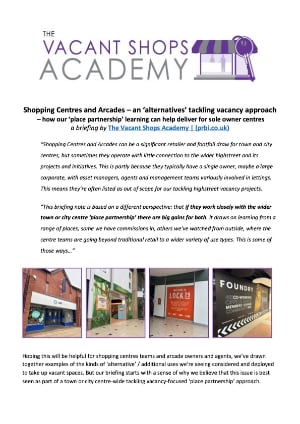
This guide draws on learning from a range of places, some we have commissions in, others we’ve watched from outside, where the shopping centre or indoor arcade teams are going beyond traditional retail to a wider variety of use types.
As we learn more, new initiatives emerge or there are additional challenges to face, we will continue to build the series. Please do shout if there’s one you think we could address now!