“You could aim to halve your headline vacancy rate in 18 months.”
I said that 4 times this week in conversations with place leaders from different locations – two cities, two towns. Not ones we’re commissioned in, tho they have empty ‘shops’ challenges by the sounds.
“But what about online shopping, out-of-town retail parks, the pandemic, cost of living crisis, energy costs, business rates and more…?” comes the often-echoed counter argument.
Well yes. All factors, but not decisive, not if the experience of town and city centres who’ve been on the case are any guide.
So how…?
First, get a tackling #highstreet vacancy-focused ‘place partnership’ in play so you have agents, landlords, businesses, community, cultural organisations, council(s), chamber, BID where there is one, working on this together;
- Assess how many of your empty units have an agent instructed – on average, according to our ongoing #TheVacantShopsAcademy tally from places we’ve run ‘audit, engage’, 50% of them don’t have. See what you can do to improve whatever your percentage is.
Get the keys. Go inside the most prominent, landmark, longest-empty, worst looking units you have, together, and work out potential use options, what the barriers to let are, how they can be overcome and, importantly, which of the partners needs step up to make that happen;
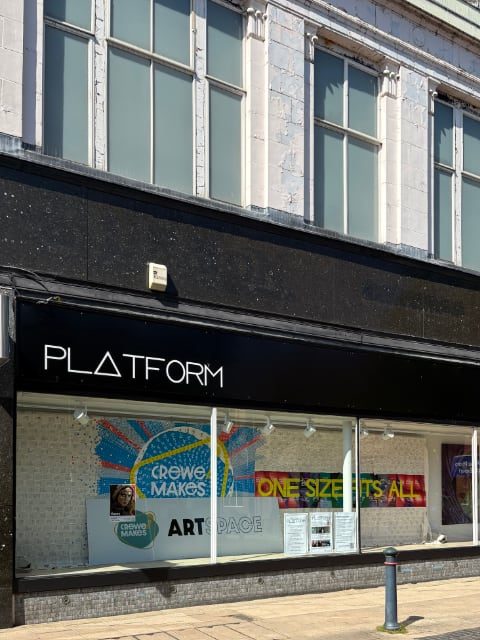
- Think beyond #retail, #hospitality and services – they’ll all have a role, but so might arts & crafts, creative, culture, community, history & heritage, leisure, education, health and health & wellbeing. Go seek those uses out too.
There’s more, but those three are fundamental.
Really happy to talk through our approach if your place has mid / high teens or over 20% vacancy and you’d like to start getting that down and improve the mix of uses you have.
Also interested to hear from #property and placemaking colleagues who think their town or city centre couldn’t hit that target, and why. Anyone…?