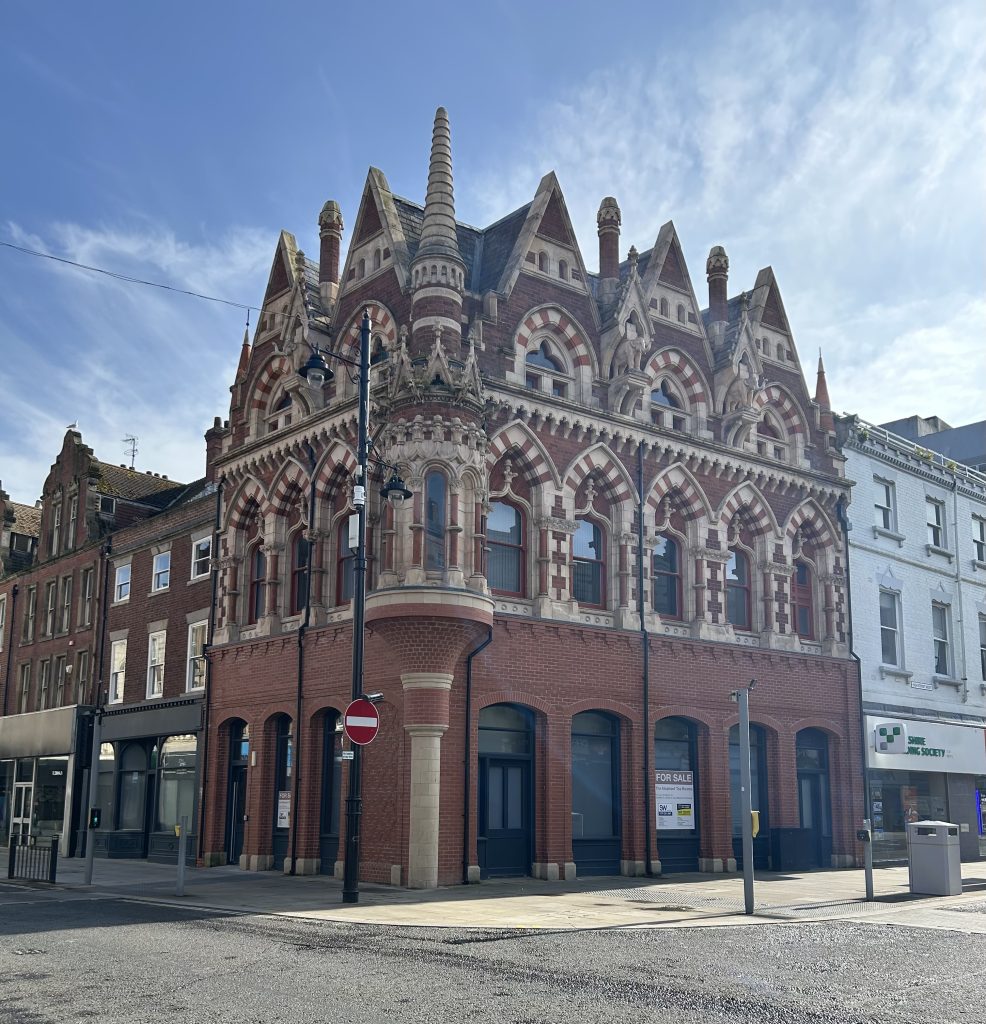
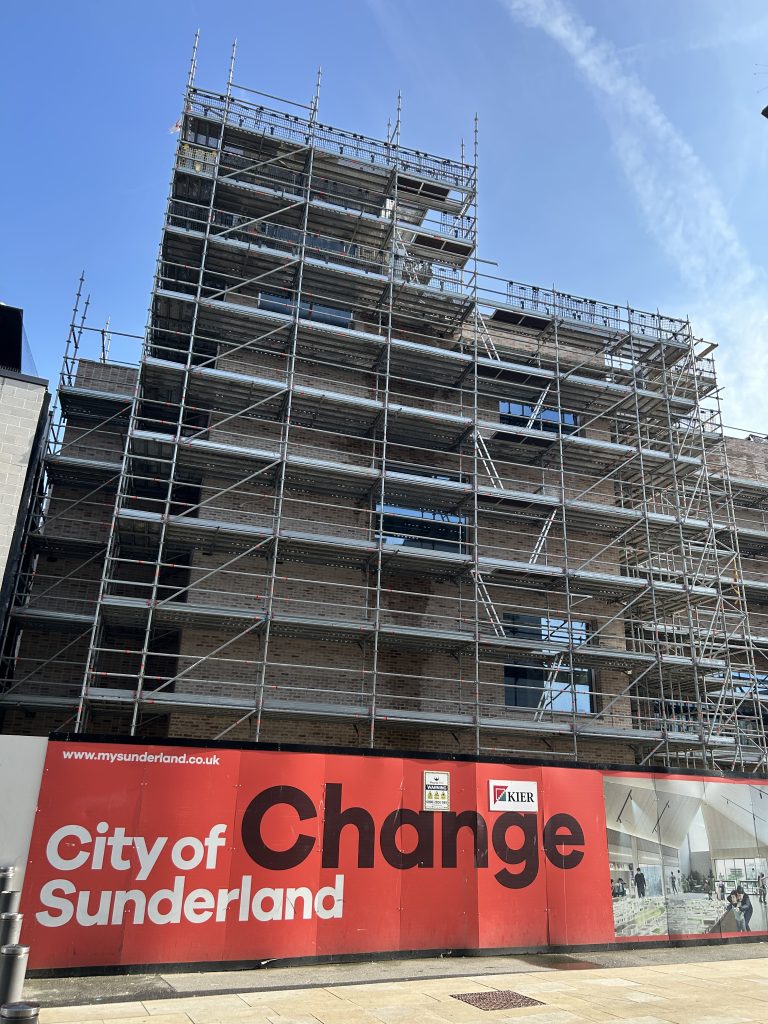
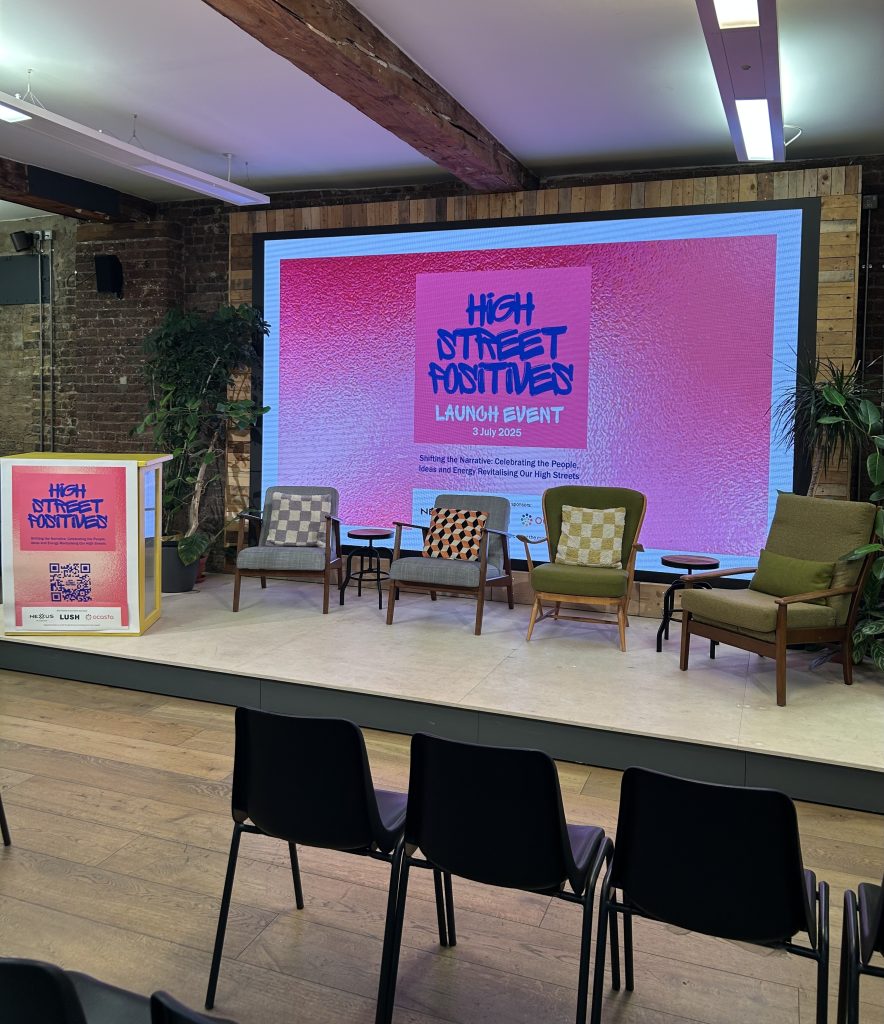
…and (yet) another reason why having a positive, proactive, tackling #highstreet vacancy-focused ‘place partnership’ can be a huge help in reducing empty unit numbers and importantly too, improving the mix of use types your town or city centre has.
The thought was sparked by seeing a commercial agent posting enthusiastically that they’d let a unit having had a number of offers and reached agreement with the successful occupant for more than the advertised rent.
From the agent perspective that’s a deal done. Fee earned. The landlord has a new tenant and a rent income above what they’d planned. All good. And the place has one fewer vacant unit.
So why the question…?
You might read what follows and think I’m asking too much, but here goes anyways…
How was the winner chosen. Purely on highest rent offer or was some account taken of what might suit the place best;
Who is the occupier. If presented with the full list of use types, might its residents and existing businesses have chosen differently;
It’s been settled for an increased rent which because of the way the system works might have a knock-on effect on existing businesses at lease renewal;
And what happened to the other interested parties. Is someone picking those up and trying to match them to the remaining empty units in that town or city centre…?
I’ve not said where this case occurred and haven’t asked any of those questions. It may well be the letting will be a great add to its mix.
My point is that having a ‘place partnership’ with agents, landlords, businesses, community, cultural organisations, council(s), chamber and BID if you have one working together on this might give you an outcome that better suits the place, its residents and existing businesses with bigger picture and / or longer term benefits for the agent or landlord too.
As I’m writing I can hear #property sector colleagues disagreeing, but it feels right to have the debate…
Posted inNews Centre|Comments Off on It’s not all about the numbers…
It’s 3 years this week since our first out & about on a tackling vacancy commission for The Vacant Shops Academy.
Thanks Cheltenham…!
In the time since we’ve taken our ‘audit, engage, encourage, promote’ approach to 36 locations, seen some great places, worked with brilliant place leaders and managers and learned a huge amount.
Thank you to everyone – agents, landlords, businesses, communities, cultural organisations, council colleagues, chamber and BID teams and many more.
We’ve started to see a number of those places take their headline vacancy rate down, some of them by significant chunks, and improve their mix of uses.
We’re seeing that having a ‘place partnership’ in play is fundamental and understanding more about how the other key elements: tackling vacancy grant or loan schemes, #popup shop or ‘meanwhile… use’ projects, and the rest make their impact.
That there’s a bigger role for arts & crafts, creative, cultural, community, history & heritage, leisure, education, health and health & wellbeing uses alongside #retail, #hospitality & services is ever clearer, and as more places facilitate and support examples that will only strengthen.
We’ve now the confidence to say to places up front that if they take on the approach they can aim to halve their headline vacancy rate in 18 months and improve that mix of uses. Some will do it faster.
Why wouldn’t you give it a try…?
If you’re on a tackling #highstreet vacancy journey in your town or city centre or are keen to, it would be great to hear from you.
We’ve just updated our guide and if you’d like a copy do please shout…
Posted inNews Centre|Comments Off on 3 years, 36 locations and counting…
“…work together, deploy all the projects that apply to your place, not just one or two elements, and you will have an effective strategy to reduce vacancy and improve the local mix of uses.”
Updating our guide to tackling #highstreet vacancy and a chance to reflect on what’s changed in the year since we first drafted it.
If you’d like a copy do please shout.
Reading about and hearing from agents, landlords and town or city management teams grappling solo with the challenges around getting empty units back into play or even just to look better has strengthened our already solid belief in the importance of having a positive, proactive ‘place partnership’ on the case.
But we’ve also seen more examples of arts & crafts, creative, culture, community, history & heritage, leisure, education, health and health & wellbeing uses taking on space and making a positive difference. There is, we’d argue, much more to come from those ‘alternative’ or additional uses.
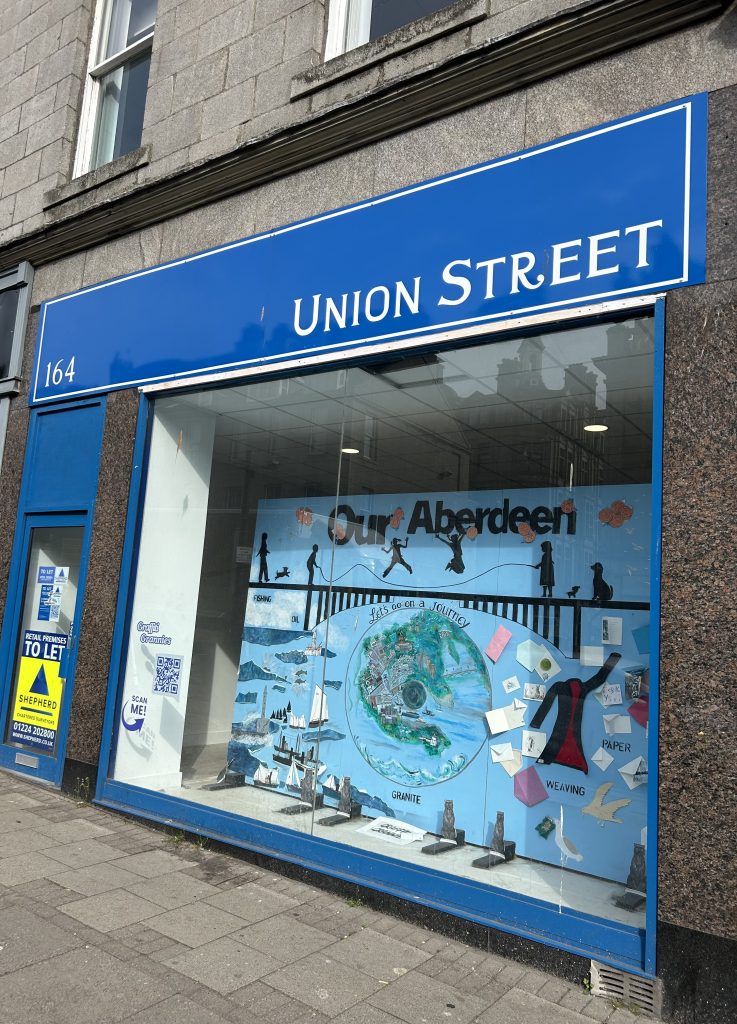
The third big thing has been Aberdeen – led by Aberdeen Inspired – getting its Union Street Upper Floors Project underway so extending its own successful partnership approach to another significant challenge, and even at this early stage looking to have developed a way forward that every place with this an issue can deploy.
If your place has a mid / high teens or over 20 per cent headline vacancy rate we’d love to explore how you can join the local teams already seeing theirs reduced…
Posted inNews Centre|Comments Off on Our guide to tackling #highstreet vacancy. Updated…
No. Not the PC operating systems thing. I’m the least technical person you know.
I mean the #highstreet shop front and upper floors type and why they can be important to tackling town and city centre vacancy.
Here’s how.
Whether that empty unit you’d like to let has enough window to be good for #retail…
Or as is often the case with ex-banks, there’s too much brick to make the building good for shops and we need think about other uses.
Are the windows attractive in style or shape and actually present as an asset to a new occupier.
And of course when they’re empty, there’s the negative impact on the look of your place if the glass is cracked or broken or littered with posters, and the opportunity to do something creative with vinyls or window-dressing to make them look better and increase your letting chances.
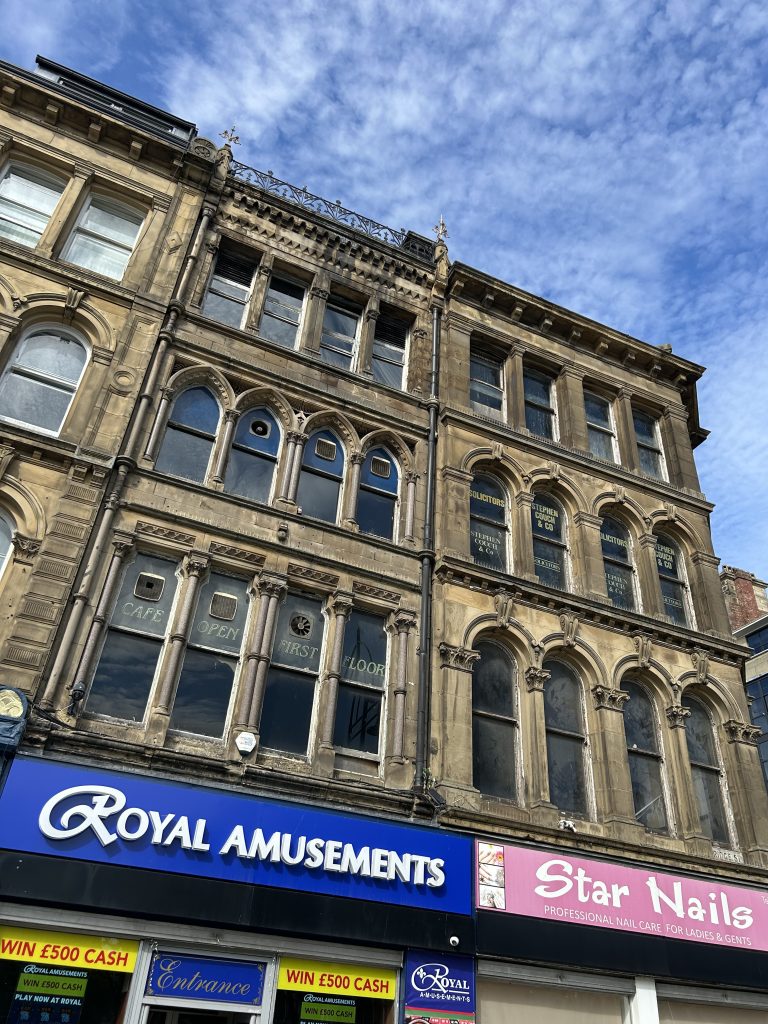
If you’re thinking about getting un- and under-used upper floors back into play – as we’re focusing on in an innovative project with Aberdeen Inspired along Union Street there – the windows can tell you much too.
Look up and get a sense of whether there’s a business or residential use on those floors or are there tell-tale signs of a vacancy with foliage growing out of them;
Are the windows heritage style and potentially an additional cost to get them right for a different use;
Will there be extra noise or heat insulation needed;
Is there a potential issue of being overlooked out of a taller neighbour property;
And back on the ground floor if you can only get upstairs currently via the shop, can you afford to take out some window frontage to create that crucial separate access…?
Just some examples but an illustration of why, tho we talk about location, size, condition, rent and rates as key factors in the chances of moving our empties forward, we maybe need think more about those windows.
Posted inNews Centre|Comments Off on We don’t talk enough about windows…
Are you putting vinyls on empty units in your town or city centre.
It’d be great to hear experiences, positive or challenging.
We were asked by one of the locations we’re supporting on tackling #highstreet vacancy about the approach to some of their long-time empties.
So we’ve drafted a briefing based on projects we’ve seen or been involved with in case that’s helpful.
First thing we emphasised is that we see ‘vinyling’ as an option but one that’s down a priority list. Where possible we’d encourage the place to be looking to support agents and landlords to get a unit let, either long-term or initially on a short term, pop-up, ‘meanwhile… use’ basis.
‘Vinyling’ comes next i.e. where getting the unit back in play isn’t going to be possible for some time either because:
there are development or refurbishment plans for it;
there is a former tenant that left with term still in their lease and is still paying rent so that, though visibly vacant, the unit is technically occupied;
it cannot be let for a time because the previous occupier went into administration and that process is still working through;
the unit is in a poor way inside and significant works are required before it can be used again.
That then takes you to permissions, practicalities and potential conversations about planning, listed building status, advertising consent and business rates.
So it can be complex getting to a solution but waaaaay better for the place and neighbour businesses than leaving a unit looking less than its best, no…?
“The team brings together council specialists in planning and building standards with architects, developers and commercial letting agents to find new and innovative uses for un- or under-used premises above the ground floor level of the Granite Mile.”
…and so if upper floor spaces in your town or city centre feel like a challenge or look like an opportunity then here’s an approach that’s being tested as we speak that your ‘place partnership’ could deploy.
It was great to be with the team from Aberdeen Inspired as they collected the Association of Town & City Management ‘Best Business Support Scheme 2025’ award on behalf of all those who’ve played a part over two years in the Union Street tackling vacancy effort.
“Everyone involved here has consistently said that this is work in progress but it’s great to see the ATCM award as early recognition of the contribution Aberdeen is making to thought leadership on these crucial town and city centre challenges.”
Do get in touch with Adrian Watson and Ross Grant MIPM who are more than happy to describe the approach in more detail and share the learning from their first and upcoming upper floor spaces visits…
Hands up who has a unit or even a whole building in their town or city centre that’s been empty for five years.
Any for 10 years…? What about 20…?
It’s a question I asked attendees at an interactive workshop I was kindly invited to chair for Association of Town & City Management and their Summer School #SS25Bradford.
The focus was on the inspirational story of the city’s Bradford Live venue. Do look it up if it’s one you’ve not heard.
It’s a building that – through a number of entertainment uses down the years – holds a place in the hearts and memories of generations but had found itself shut, near derelict and for those looking on, dispiriting.
Now just opening up again, it’s ready to create new memories…
…and from a starting point of three friends going to look it over, through council involvement and investment, a stunning but careful makeover, overcoming a number of setbacks, to today with a specialist operator getting it set to go, it’s a quite a journey.
Importantly for our work with local teams on tackling #highstreet vacancy, it’s a case study of how crucial the ‘place partnership’ approach can be to bringing these empty units and buildings back into play…
…and hopefully it will encourage you to don a hard hat, get the keys, maybe a torch, and take a local team inside your long-time empty units, work out the use options, the barriers and how they can be overcome, and which of the partners needs step up to make that happen.
Posted inNews Centre|Comments Off on Bradford Live: an inspirational story…
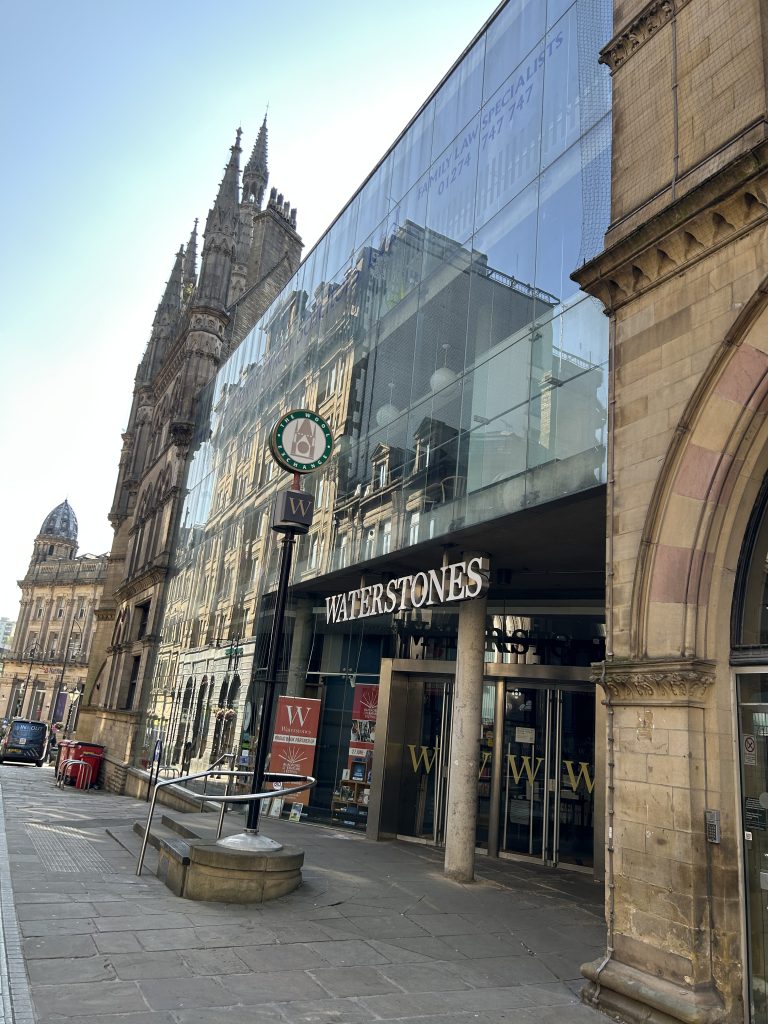
…so enjoyed our time in Bradford for the Association of Town & City Management’s sunny Summer School #SS25Bradford, with place leaders and managers from around the country.
A huge amount happening, more in the pipeline. Awesome heritage buildings, transformative public realm projects delivering an extended pedestrianised area, fountain-filled Mirror Pool, city park, imaginative landscaping and striking #streetart, a new market imminent, empty units re-purposing, office space additions and the inspirational Bradford Live story (which we’ll return to in a future post) and more besides.
What did I forget…?
It’s so valuable at these #placemaking events to have time allocated to walk-see and hear something of the back story from those involved.
I feel like we were lucky to be there at this snapshot in time but also am really keen to stop by again sometime to see how the almost ready to go initiatives progress and how city centre living, upper floors focus, adjusts to the #retail and #hospitality mix, maybe including ‘additional’ uses on our list that runs from arts & crafts, creative and culture to health & wellbeing, become a bigger part of that story.
Thank you Bradford…!
Posted inNews Centre|Comments Off on Going back to Bradford…
Looking ahead to an exciting week in the conversation about how much of a role arts & crafts, creative, culture can play in our town and city centres…
…in lots of ways, but in particular for our focus on tackling #highstreet vacancy.
A big part of that is the Association of Town & City Management Summer School themed around ‘How to Maximise Our Cultural and Community Assets’, featuring a range of presentations on the contribution to our places of art, music, storytelling and more. Among the sessions, one I’m very much looking forward to chairing called ‘Bradford Live: Bringing a Long Lost Cultural Asset Back to Life.’
I’ve also just written an introduction for another project we’re hoping to be involved in which maybe sums up how important I see this theme being in #placemaking…
“That arts & crafts, creative, culture and community uses can play a bigger part in our town and city centres is something I think has been a strong element of our tackling vacancy work in towns and city centres since we started to do this 12 year ago.
“We now have a range of examples – some we’ve been involved with, others we’ve seen – which I think can help encourage more individuals and organisations to consider setting up something in their local area, and also inspire more places to make supporting such ventures part of their work on this issue.”
Would love to hear your arts & crafts, creative, culture impact case studies…!
Posted inNews Centre|Comments Off on A bigger role for art, music, storytelling and more…
I’d really like to thank Prof Leigh Sparks for sharing his Stirlingretail platform for this piece on tackling vacancy…!
“A few years ago a Council leader, not too far from here, asked me what single thing could he do to tackle vacancy in the town centre. I said contact Iain Nicholson of the Vacant Shops Academy (I have posted something with/about him before) and use his approach. Nothing of course happened and nothing much has changed in that town centre.
This week at Scotland’s Towns Partnership’s Cross-Party Group meeting, Ross Grant from Aberdeen Inspired (the Business Improvement District) discussed the City’s approach to vacancy, both on-street but especially in upper floors. A report on their upper floor work is going through Aberdeen City Council and will be available for wider dissemination. Ross stressed the role of a Technical Panel focusing on the upper floors, building a consensus approach site by site, requiring all to be “curators of our spaces” and utilising the media in a positive way.
Aberdeen has been something of a success story in terms of impacting vacancy and is a place Iain has been working with. So I thought it was time I asked Iain to lay out his approach and thoughts again in a further post.
So over to Iain and what every place could/should be doing:
“Ask (and resource) every local authority to report on vacancy numbers twice a year, and work with agents, landlords, businesses, community, cultural organisations, chamber and BID where there is one to overcome barriers to letting empty units.”
It is item one of a tackling vacancy-focused manifesto I penned before the last General Election, but almost a year on, it seems an even more valuable way to reduce empty unit numbers in town and city centres and bring down the long-stuck 14% national rate.
The Vacant Shops Academy has worked or is working with 36 locations now and we’ve visited around the same number of others in its nearly three and a half years, all the time strengthening our belief in the ‘audit, engage, encourage, promote’ approach to tackling vacancy.
Our approach has two fundamental elements. First, setting up a tackling vacancy-focused ‘place partnership’ to bring together agents, landlords, businesses, community, cultural organisations, council(s), chamber, BID where there is one, and others identified locally, to work on the issue. Its role includes getting inside priority empty units, as a team, to understand barriers to let, use options and what each stakeholder can contribute to moving things forward. That might involve targeting a particular type of occupier, splitting it up, going for pop-up use initially, creating a grant scheme to help overcome the costs of getting the unit fit to occupy and more.
We now divide town or city centre vacancy into three types:
Those with rates in the mid / high teens or over 20%;
Places with smaller headline figures but where there are tricky-to-let often larger, sometimes heritage buildings, left empty by departing national brands, department stores or banks;
Towns with low vacancy but residents and existing businesses concerned about the changing mix away from retail towards services and a sense that makes their place less attractive.
The ‘place partnership’ approach can help with all these.
We’ve just checked in with some early adopters of our approach and all have seen vacancy rates reduced, some very significantly. Ripon BID for example reported: “We are running at 6% currently with 14 properties vacant, down from 12% in March 2024”. Aberdeen Union Street is another to see its vacancy rate halved, in their case in 18 months from a very high 25% starting point, making them a national beacon for the ‘place partnership’ approach.
The second theme for places to work on is what we call alternative or additional use types. Retail, hospitality and services still have a big part to play, but where town or city centres are attracting these in lower numbers, we suggest they look at arts & crafts, creative, culture, community, history & heritage, leisure, education, health and health & wellbeing as go-to options. These have the extra advantage of adding to the variety and so resilience of places, especially as several of them deliver the experiential we know many customers and visitors are looking for. We’re now seeing more examples of these kinds of uses making a positive impact so that there’s useful case study material for places to draw on.
This is also where the two themes tie together because, typically, securing these ‘alternative’ uses is more challenging than handing the keys to a shop, venue or services business. The wider range of skills, experience and connections in the ‘place partnership’ can help make this more easily achievable.
We know the approach works, we’re seeing more places taking it up, and it’d be great to see that everywhere vacancy is a challenge, councils and communities are actively on the case.
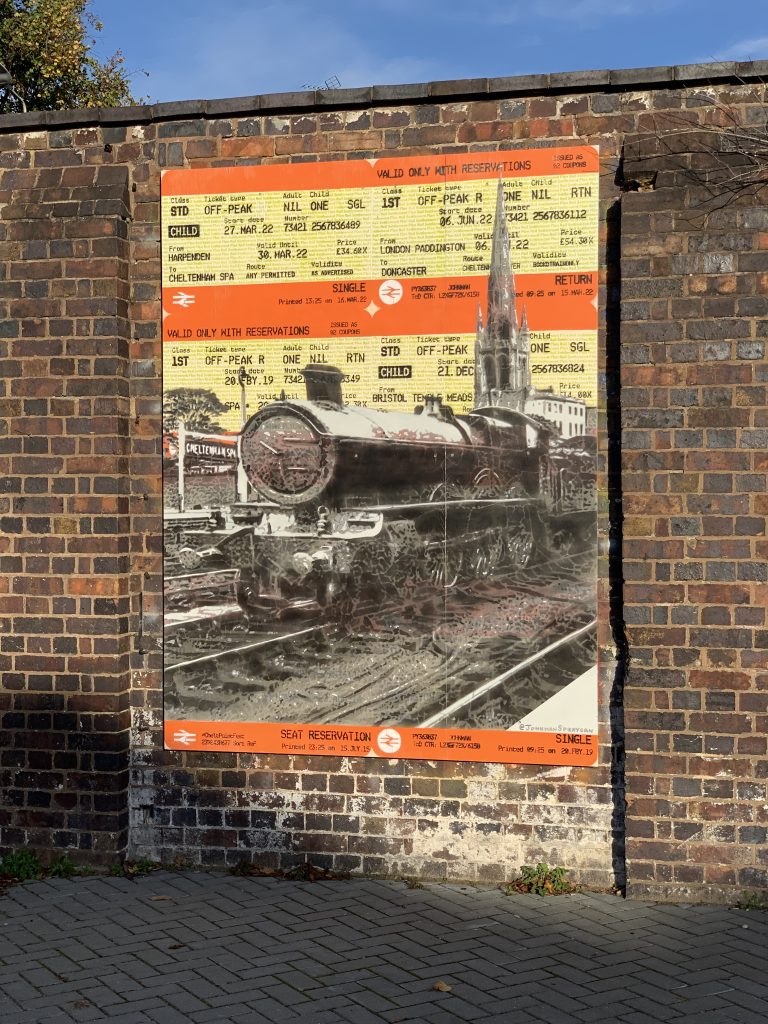
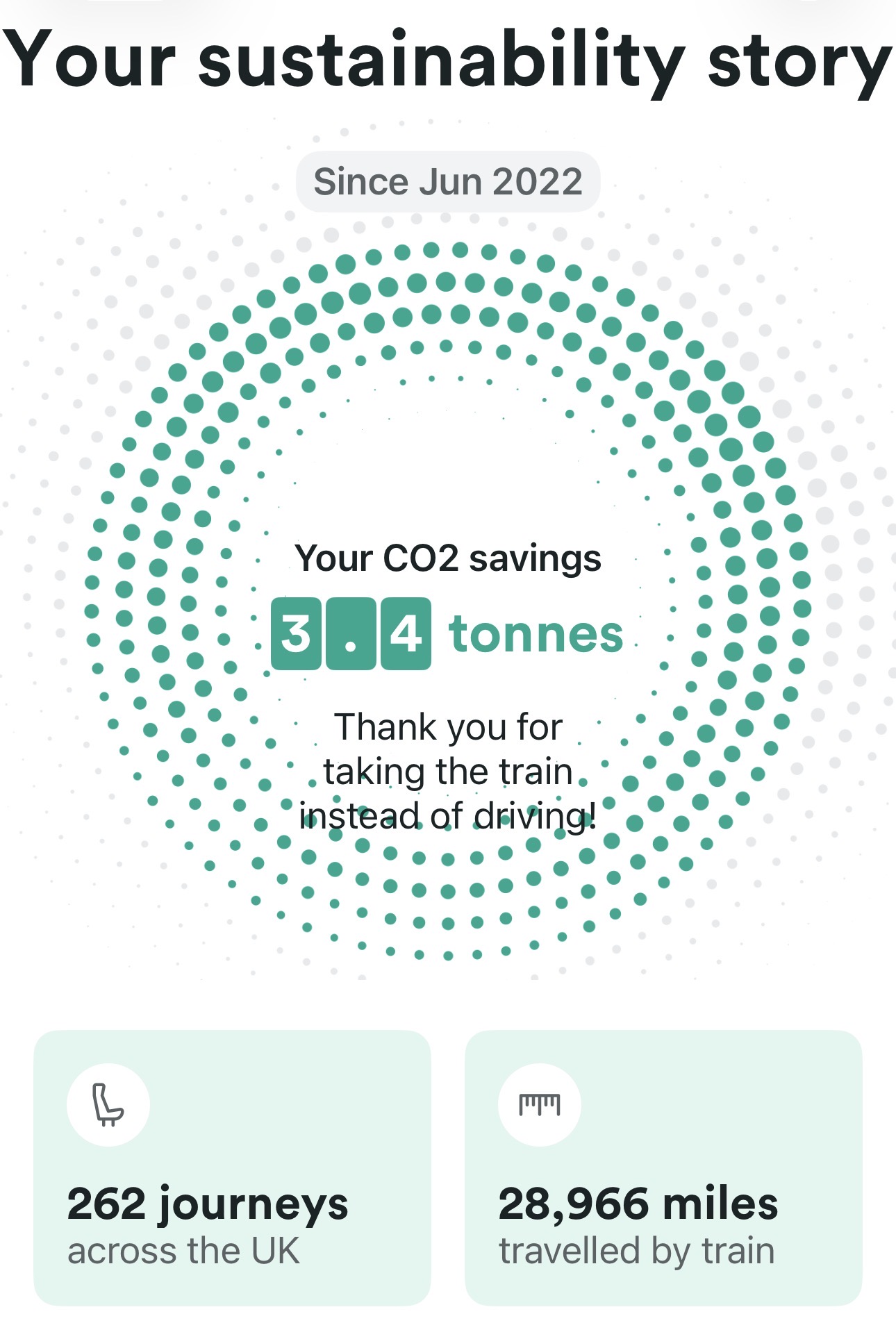
We always try to make our #highstreet #placemaking out & about location visits by rail if we can…!
We set some cookies to give you the very best web experience. However, if you like, you can change your browser settings to reject them. Read MoreContinue
Cookies
Privacy Overview
This website uses cookies to improve your experience while you navigate through the website. Out of these, the cookies that are categorized as necessary are stored on your browser as they are essential for the working of basic functionalities of the website. We also use third-party cookies that help us analyze and understand how you use this website. These cookies will be stored in your browser only with your consent. You also have the option to opt-out of these cookies. But opting out of some of these cookies may affect your browsing experience.
Necessary cookies are absolutely essential for the website to function properly. This category only includes cookies that ensures basic functionalities and security features of the website. These cookies do not store any personal information.
Any cookies that may not be particularly necessary for the website to function and is used specifically to collect user personal data via analytics, ads, other embedded contents are termed as non-necessary cookies. It is mandatory to procure user consent prior to running these cookies on your website.